Water Conservation Facilities at CIT
Coimbatore Institute of Technology is committed to responsible water management and long-term sustainability. The campus has implemented a comprehensive water conservation framework that focuses on efficient usage, groundwater recharge, rainwater harvesting, and reuse. These initiatives ensure water security for academic, residential, and administrative needs while minimizing environmental impact.
Integrated Water Management System
The institute follows a multi-layered approach to conserve and manage water resources across the campus. Rainwater harvesting structures, recharge mechanisms, and storage facilities are strategically distributed to maximize collection and reduce dependency on external water sources.
Rainwater Harvesting Infrastructure
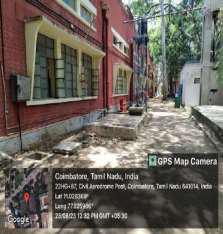
Rainwater harvesting is a key component of the campus sustainability plan. Rooftop runoff and surface water are collected through a well-planned drainage network and directed into recharge structures.
- Rooftop rainwater harvesting systems connected to recharge pits
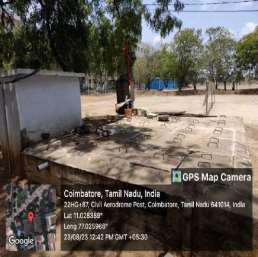
- Open and covered recharge wells for groundwater replenishment
- Stormwater channels designed to prevent runoff loss
- Percolation pits to enhance aquifer recharge
These systems significantly improve groundwater levels and reduce water wastage during monsoon seasons.
Groundwater Recharge and Storage
To ensure year-round availability of water, CIT has established robust groundwater recharge and storage mechanisms:
- Recharge shafts and soak pits near buildings and open areas
- Underground sumps and overhead tanks for regulated distribution
- Regular monitoring of borewell yield and water table levels
This systematic approach helps maintain a sustainable balance between water extraction and recharge.
Water Treatment and Reuse
CIT promotes reuse of treated water to minimize freshwater consumption:
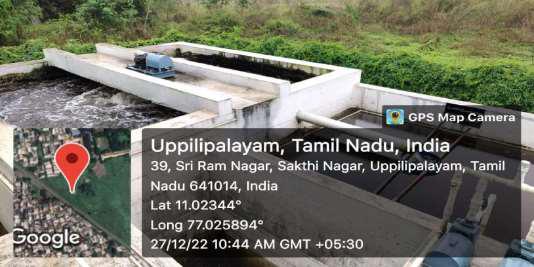
- Sewage Treatment Plants (STP) for recycling wastewater
- Treated water reused for gardening, landscaping, and cleaning
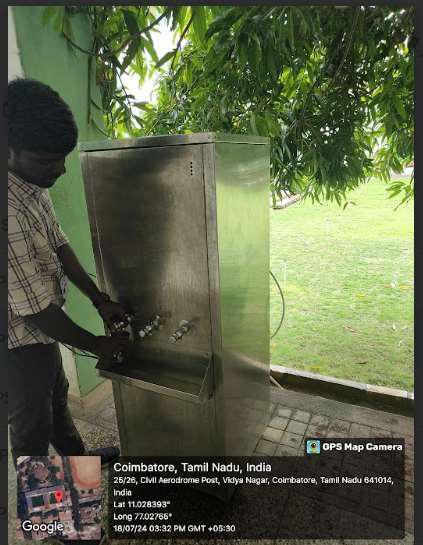
- RO water plants for safe drinking water supply
- Separate pipelines for potable and non-potable water usage
These practices ensure optimal utilization of every unit of water consumed on campus.
Green Landscaping and Water Efficiency
Water-efficient landscaping techniques are adopted across the campus:
- Native and drought-resistant plant species
- Drip irrigation and controlled watering schedules
- Minimal water-intensive lawns
- Mulching and soil moisture retention practices
Such measures reduce irrigation demand while maintaining green cover.
Awareness and Sustainable Practices
Water conservation is reinforced through continuous awareness and participation:
- Student and staff sensitization programs on water usage
- Integration of sustainability concepts into academic activities
- Display boards promoting water-saving habits
- Student involvement in eco-clubs and green audits
These initiatives cultivate a culture of environmental responsibility within the campus community.
Impact of Water Conservation Initiatives
- Reduced dependence on external water supply
- Improved groundwater recharge levels
- Efficient reuse of treated wastewater
- Sustainable water availability for academic and residential blocks
- Alignment with national sustainability and green campus goals